How Vitamin D Affects Mood

How Vitamin D Affects Mood

  • Research article
  • Open Access
  • Published:

Vitamin D deficiency and psychotic features in mentally ill adolescents: A cross-sectional study

  • Teresa L Finucane2,
  • Meriel Friedman-Campbell3,
  • Susan Messing2,5 &
  • Melissa N Parkhurst2

BMC Psychiatry volume 12, Article number:38 (2012) Cite this article

  • 37k Accesses

  • 84 Altmetric

  • Metrics details

Abstract

Background

Vitamin D deficiency is a re-emerging epidemic, especially in minority populations. Vitamin D is crucial not only for bone health but for proper brain development and functioning. Low levels of vitamin D are associated with depression, seasonal affective disorder, and schizophrenia in adults, but little is known about vitamin D and mental health in the pediatric population.

Methods

One hundred four adolescents presenting for acute mental health treatment over a 16-month period were assessed for vitamin D status and the relationship of 25-OH vitamin D levels to severity of illness, defined by presence of psychotic features.

Results

Vitamin D deficiency (25-OH D levels <20 ng/ml) was present in 34%; vitamin D insufficiency (25-OH D levels 20–30 ng/ml) was present in 38%, with a remaining 28% in the normal range. Adolescents with psychotic features had lower vitamin D levels (20.4 ng/ml vs. 24.7 ng/ml; p = 0.04, 1 df). The association for vitamin D deficiency and psychotic features was substantial (OR 3.5; 95% CI 1.4-8.9; p <0.009). Race was independently associated with vitamin D deficiency and independently associated with psychosis for those who were Asian or biracial vs. white (OR = 3.8; 95% CI 1.1‒13.4; p < 0.04). Race was no longer associated with psychosis when the results were adjusted for vitamin D level.

Conclusions

Vitamin D deficiency and insufficiency are both highly prevalent in adolescents with severe mental illness. The preliminary associations between vitamin D deficiency and presence of psychotic features warrant further investigation as to whether vitamin D deficiency is a mediator of illness severity, result of illness severity, or both. Higher prevalence of vitamin D deficiency but no greater risk of psychosis in African Americans, if confirmed, may have special implications for health disparity and treatment outcome research.

Peer Review reports

Background

Vitamin D deficiency is endemic across the life span and in diverse populations throughout the world [1]. Contributing factors are lack of exposure to sunlight and insufficient dietary intake; individuals with darker skin are at higher risk due to low cutaneous synthesis and dairy-poor diets. In a study of healthy Northeastern US adolescents, more than 90% of African American teens and 55% of all teens had low vitamin D [2]. The National Health and Nutritional Examination Survey (NHANES 2001–2004) found an overall US prevalence of vitamin D insufficiency in adolescents of 61%, with 9% deficient [3].

Vitamin D is well recognized as essential for intestinal calcium absorption, serum calcium homeostasis, optimal skeletal development, and the prevention of rickets and osteoporosis [4]. The importance of vitamin D to the CNS in both healthy and psychiatric populations is less well-appreciated and is vastly understudied compared to its known impact on bone health. Vitamin D receptors are present throughout the brain, and D-deficiency is associated with negative CNS effects in animal studies [5]. Vitamin D receptors and activating enzymes are particularly prominent in the hypothalamus and substantia nigra, and are involved in glucocorticoid signaling in hippocampal cells. Depletion models show maternal offspring with abnormal brain shape, cell number, and reduced neurotropic factors and receptors. Vitamin D receptor animal knock-out models show increased anxiety, decreased activity, and muscular and motor impairments, resembling phenotypic models of depression. Vitamin D is neuroprotective to hippocampal cells, through regulating calcium ion channels and activating PKC and mapPK pathways.

Clinical studies reinforce the significance of this basic work. A Finnish cohort supplemented with prenatal and infant vitamin D demonstrated reduced adult risk for schizophrenia [6]. Low vitamin D levels were found to correlate with major depression [7] and premenstrual mood symptoms in women [8], and mood disorders and cognitive impairment in older adults [9]. Two randomized controlled trials (RCT) have shown that raising vitamin D levels improved depression. The first study examined phototherapy vs. vitamin D supplementation for seasonal affective disorder, and found a positive effect for vitamin D via either supplementation or phototherapy within one month [10]. Another RCT of overweight and obese subjects, at greater risk for low vitamin D than those of normal weight, found higher levels of depression with low vitamin D; supplementation resulted in significant improvement in depressive symptoms after one year [11]. To the best of our knowledge, there have been no published studies examining vitamin D deficiency and the presence of psychosis in adolescents.

We hypothesized that, in severely mentally ill adolescents, defined as adolescents requiring either inpatient or partial hospitalization, 1) rates of vitamin D insufficiency and deficiency would be greater than those documented in general US populations, and 2) lower vitamin D levels would be associated with mental illness severity, defined as presence of psychotic features.

Methods and Materials

Ethics

The University of Rochester Research Subject Review Board approved the retrospective chart review study.

Participants

The study population included 75 females and 29 males aged 12 to 18 years admitted to the Strong Behavioral Health Child and Adolescent Acute Inpatient Service or Partial Hospitalization Service (CAPHS), Department of Psychiatry, University of Rochester, NY, between October 2008-February 2010 who had serum 25-OH vitamin D levels collected on routine admission laboratory testing as part of a quality improvement initiative.

Data collection

Charts were identified by a clinical admission database of the service. Diagnostic evaluations and symptom reports from parents/legal guardians and adolescents were extracted from medical records for the period of clinical care.

Clinical diagnoses

Clinical DSM-IV diagnoses were predominantly affective disorders (bipolar disorders, N = 37; depressive disorders, N = 36; mood disorder NOS, N = 15; psychotic disorders, N = 8; anxiety disorders, N = 4; and ADHD/ODD N = 1).

Patient-reported psychosis and potentially related variables

Psychotic symptoms, defined as hallucinations, paranoia, or delusions, were documented on standardized admission assessment forms by the emergency room psychiatrist and the admitting attending. They were categorized dichotomously as yes/no by the second author (TLF), who was blinded to both the purpose of the study and to vitamin D levels until after record extraction was completed. Other variables examined included: race, month of admission/vitamin D level, insurance status, urban/suburban/rural residence, inpatient/partial hospital outpatient, clinical DSM-IV diagnosis, smoking status, age of onset of mental illness, admitting medications, past medications, and immediate and extended family psychiatric and medical history.

Vitamin D laboratory analysis and categorical definitions

Vitamin D 25-OH (25OHD) levels were analyzed by chemiluminescent immunoassay at ARUP laboratories, SLC, Utah, and recorded as normal if >30 ng/ml, insufficient if 20–30 ng/ml, and deficient if <20 ng/ml, as per expert guidelines [12].

Statistical analyses

Continuous data were graphically inspected for distributional assumptions; comparisons between the normal, insufficient, and deficient vitamin D groups were evaluated by ANOVAs (with t-tests subsequent to the overall analysis), Wilcoxon rank sum test, χ², or Fisher's exact test, as appropriate to the data. The relationship of vitamin D levels and psychosis was assessed with an ANOVA type design and the association of psychosis with vitamin D level groups with logistic regression models, assessing race as well as vitamin D level groups in a multivariate model. All analyses were carried out using SAS 9.2 on a Windows 7 platform.

Results

Vitamin D deficiency prevalence and association with psychosis

Thirty-five (33.7%) adolescents were vitamin D deficient (<20 ng/ml), and an additional 40 (38.4%) were vitamin D insufficient (20–30 ng/ml). Of those with vitamin D deficiency, 40% had psychotic features compared to only 16% of the sample who were not vitamin D deficient (p < 0.007). Those with D deficiency were 3½ times more likely to have psychotic features (OR 3.52, CI 1.38-8.95, 1df). Of those with normal vitamin D status, 79% (N = 23/29) did not have psychotic features.

Demographic and other related variable differences

A comparison of demographic variables between adolescents with insufficient, deficient, and normal 25-OH D levels is presented in Table 1.

Table 1 Patient Characteristics by 25-OH Vitamin D Levels

Full size table

Racial differences

Those who were deficient were more likely to be black or Asian (Figure 1) and have psychotic features (Figure 2). Figure 3 displays the association of 25-OH vitamin D and the interaction of race and psychosis. All groups showed lower 25-OH D levels in the presence of psychosis including Asians who were all deficient. Asian (N = 5) and biracial (N = 7) categories were combined into the "Other" category and Hispanic/Latino ethnicity (N = 1) was combined with Caucasian in the linear modeling that was conducted. Odds ratio comparisons for presence of psychosis with vitamin D deficiency as well as potential covariates, including race and medication exposure, are depicted in Table 2. Psychosis was independently related to race for the "other" group (Asian and biracial individuals) vs. white group, but not for black vs. white groups, nor significantly associated for other vs. blacks. The association of psychosis and vitamin D level was significant overall in the univariate and multivariable analyses. Of added interest was the association of psychosis with Vitamin D levels and race (Table 3). While race and vitamin D levels were associated, race and psychosis were not associated adjusting for vitamin D levels.

Figure 1
figure1

Box-Whisker plot of vitamin D levels by race.

Full size image

Figure 2
figure2

Box-Whisker plot of vitamin D levels by psychosis.

Full size image

Figure 3
figure3

Association of psychosis, race, and interaction of psychosis and race on vitamin D level expressed as continuous data. Y-axis displays 25OH-D levels in ng/mL; left vs. right side of figure denotes mean 25OHD levels without and with psychosis by race.

Full size image

Table 2 Unadjusted associations between subject characteristics and psychosis

Full size table

Table 3 Multiple regression model (adjusted) for association of subject characteristics and psychosis

Full size table

Family history, medication exposure, and seasonal differences

Immediate family history of psychosis and current antidepressant exposure were also independently related to psychosis. Rates of vitamin D insufficiency and deficiency rose from December through March, peaking in March, as would be expected. No seasonal effects, however, were statistically detected (p = 0.14), possibly due to both latitude and high rates of overall deficiency and insufficiency.

Discussion

This is the first report of an association between vitamin D deficiency in adolescents and severity of mental illness, defined as presence of psychotic features. These findings are similar to a cross-sectional study also linking vitamin D deficiency and adult psychosis [13]. In a study of over 1,000 adults from combined cohorts of a longitudinal evaluation of severe mental illness and a population-based sample from the Oslo Health Study, vitamin D levels and presence of psychosis were compared between native Norwegians and dark-complexion immigrants to Norway. Prevalence of vitamin D deficiency and insufficiency in immigrants with psychosis was 80%, similar to the 72% in our sample of severely mentally ill adolescents. Additionally, 43% of the Oslo community population with psychosis met criteria for vitamin D deficiency, also similar to the 40% of this teen sample with psychosis. In the adult epidemiologic sample, disorientation on the PANSS, weight loss, and lack of physical energy correlated with lower 25-OH D levels after controlling for major depression. Demographics, level of functioning, lifestyle habits, and BMI were not associated with vitamin D levels.

Our findings also agree with an unpublished 2011 report of a child and adolescent psychiatric population residing in the Pacific Northwest. Using the same definitions of deficiency, insufficiency, and normal ranges as in the current study, 21% of 67 youth with severe psychiatric symptoms residing in 2 Oregon residential treatment programs had vitamin D deficiency, vs. 14% of a comparable NHANES sample. For the children with psychotic disorders, the prevalence of vitamin D deficiency was 43% [14]. The overall mean 25-OH D level was 28.9 ng/mL, with 2/3 of the patients falling below the normal range; mean 25-OHD in the youth with psychotic disorders was 26.47 ng/mL (SD12.42). Another group of psychiatric inpatient Parisian adolescents (N = 136) were also found to be largely vitamin D-deficient (72.4%), with the mean 25-OHD value 15–16 ng/mL, lower in blacks and North Africans [15]. No differences in mean levels were found between those taking or not taking antipsychotics, indicating that antipsychotics may not lower vitamin D absorption.

The prevalence of vitamin D deficiency in our sample of acutely mentally ill adolescents is also greater than the high rates observed in U.S. community adolescent populations (34% vs. NHANES 9%)[3] and in Australian adult private psychiatric inpatients (vitamin D deficiency 11%, defined as <25 nmol/L, or 10 ng/mL) [16]. The latter study found a 29% difference between mean levels in patients vs. controls. Our higher prevalence rates of deficiency and insufficiency may be in part due to the latitude of Rochester, NY, 43.145 degrees N. Paris, France is 48.51 N, and Geelong, Australia 38.10 S. Except during summer months, skin makes negligible vitamin D from sunlight at latitudes above 37 degrees north or below 37 degrees south.

Potential causal mechanisms

Basic and preclinical animal studies provide clues as to how vitamin D may lower risk for psychosis, and how vitamin D deficiency may raise risk for psychosis and depression. These mechanisms include 25-OH vitamin D and calciferol, the renal metabolite of 25-OH D (1,25-OH D): 1) altering neurotrophic factors and monoamine levels [17, 18], resulting in vitamin D-related behavioral phenotypes similar to those for depression and psychosis [19], 2) facilitating oxidative stress responses [20], 3) changing multiple neuroendocrine transmitters [21, 23], and 4) regulating hormonal and serotonin pathway effects within the CNS [24, 25].

Race, ethnicity, dietary intake and sunlight exposure

Dietary intake and sunlight exposure as sources of vitamin D are influenced by race. The NHANES found poor dietary intake of vitamin D and lower exercise in older African American and female Hispanic adolescents. Although not fully comparable due to different methodologies, our mentally ill non-Caucasian population also demonstrates more vitamin D deficiency, and for Asians and biracial subjects a greater rate of psychosis, but not after adjusting for vitamin D level. Small clinical studies to date suggest potential for a causal link between low vitamin D and mood disorders [8–11, 16, 26], necessitating that randomized controlled trials in carefully defined populations of interest be performed to better characterize the relationship between vitamin D deficiency and risk for depression and psychosis.

Alternate hypotheses

In addition to the possibility that vitamin D deficiency contributes to vulnerability to psychosis, other nutritional factors may play a role: adolescents eating a diet low in dairy products may also consume less of other nutrient-rich foods, including those with essential fatty acids. Adverse omega-3:omega-6 fatty acid ratios and/or other dietary micronutrient deficiencies that are commonly associated with vitamin D deficiency such as vitamin B12 may also contribute to emergence of psychotic symptoms.

Implications for future research in psychiatry

Effects on mental illness

If a prospective association between psychotic features and vitamin D deficiency is confirmed, outstanding issues include: 1) how vitamin D affects monoamine function and the HPA axis and immune responses to stress and symptom production, 2) whether supplementation can be protective against incident depression or psychosis and their recurrence, and 3) whether supplementation improves symptoms in those with clinically diagnosed depression or psychosis, especially in populations with darker skin [26]. An open-label Swedish case-series suggests that depression is improved by vitamin D supplementation in adolescents [27]. Prevention studies in high-risk offspring would be highly novel. Thus, future studies could target both prevention of mental and comorbid physical illness, focusing on disparity and somatic treatment augmentation.

Importance to overall health in psychiatric populations

Normalizing vitamin D levels warrants study in those with severe mental illness to determine whether, and at what dose, vitamin D helps protect against metabolic side effects from psychopharmacologic treatment or reduces the development of comorbid physical illnesses such as diabetes, cardiovascular disease, and osteoporosis. Low vitamin D is associated with greater BMI, insulin resistance, and systolic blood pressure, lower HDL-C in obese adolescents and adults, and lower final height in young adult women [3, 28–31]. Vitamin D status may be especially important in those with serious mental illness as they develop poorer metabolic health at earlier ages. Optimal vitamin D levels also may protect against several different cancers (breast, colon, pancreas, and prostate), and autoimmune disorders (lupus, multiple sclerosis, and Type I diabetes) [32]. Molecular mechanisms of vitamin D that are protective against cancer include reducing cellular oxidative stress [33]. Vitamin D supplementation may thus represent a low-cost population-based intervention capable of reducing utilization of more intensive physical and mental health treatments; multiple trials are underway assessing impact on a variety of physical health conditions including osteoporosis, insulin resistance, and cardiovascular risk. A large scale epidemiologic RCT (the Vitamin D and omega¬3 Trial; VITAL) is examining whether supplementation prevents chronic diseases (http://www.vitalstudy.org).

Supplementation issues in adolescents

How should low vitamin D levels be corrected? Supplementation with over-the-counter or prescription vitamin D for those with low vitamin D is important, as natural dietary sources are few and include chiefly oily fish, irradiated mushrooms, egg yolks, and fortified milk, juices, cereal, and margarine (http://dietary¬supplements.info.nih.gov/factsheets/vitamind.asp). Most adolescents, especially those who skip breakfast or are lactose intolerant, do not consume adequate amounts of these foods to maintain optimal vitamin D levels, and cannot meet their requirements through diet alone. Risk for developing vitamin D toxicity with supplements has been largely unsupported [34]; studies giving as much as 14,000 IU per week of D3 to adolescents over one year's time have shown no evidence of toxicity [35]. A serum level of more than 200 ng/ml 25-OHD may be necessary for symptoms of toxicity to occur. The Institute of Medicine in 2010 raised its daily intake recommendations based on evidence for skeletal growth and maintenance; the current recommended dietary allowance (RDA) is 600 IU per day for 1–70 years of age with an upper level intake of 4,000 IU per day [36]. The American Academy of Pediatrics had previously raised its recommended supplementation from 200 IU in 2003 to 400 IU per day in 2008 to prevent rickets in children and adolescents who do not obtain this goal through fortified foods [37]. Additional initial supplementation to return deficient individuals to normal may be indicated as dietary reference intake amounts recommended by the IOM may still be insufficient for bone health maintenance in many individuals [38]. The amount necessary to prevent breast and colon cancer, Type I diabetes, and multiple sclerosis has been speculated to be closer to 4,000-8,000 IU per day [32]. The amount appropriate for maintenance of best mental and physical health is therefore controversial, and is unknown in the chronically mentally ill, who may metabolize vitamin D more quickly due to added oxidative stress burden.

Limitations

This work is limited by a small sample size, cross-sectional method, inpatient sampling bias, and lack of formal research measures for diagnosis and severity of illness, family psychiatric history, sun exposure, and intake of Vitamin D and other dietary nutrients. No adolescents, however, were taking vitamin D supplementation. A winter sampling bias is present, potentially contributing to low rates of D-deficiency, however, this does not rule out that seasonal effects in illness severity and admission rates related to greater vitamin D deficiency may occur. Analysis of ultraviolet radiation for latitudes 0 to 80 degrees N found that for March through October, sites from 18 degrees to 44 degrees N (the majority of the continental United States) had equal amounts of vitamin D producing ultraviolet light; November through February only demonstrated decreases in vitamin D producing ultraviolet light [39]. Additional limitations include that adolescents were not screened for osteomalacia; serum parathyroid hormone values were not routinely checked in those who were D-deficient; however, several performed clinically were within normal ranges. Many confidence intervals are wide; confirmation of these results awaits a large sample study and more rigorous design. Probing smaller enriched clinical samples may be useful in providing biologic signals of relevance in populations with depression, for example, using neurocognitive tasks. Descriptive differences in a clinical population compared with population norms may also provide direction for further investigation related to both interactive effects of mental illness and ancestry.

Conclusion

Vitamin D deficiency is highly prevalent in this descriptive sample of acutely mentally ill adolescents, especially in African-American and Asian teens, and appears related to psychotic symptoms. This work is the first to report an association between psychosis and vitamin D deficiency in psychiatrically hospitalized adolescents [40] and confirms this association found previously in an adult population [13]. Our study also expands on similar deficiency findings from a Parisian inpatient adolescent cohort [15], providing clinical diagnoses of mood disorders in the great majority of inpatient teens with vitamin D deficiency, and further, finding lower risk for psychosis in the presence of antidepressant treatment. Both support the possibility that heightened vulnerability to psychotic features occurs in the substantial proportion of teens with mood disorders who are vitamin D deficient. Prospective trials of vitamin D supplementation are needed to address targeted mental health symptom domains as well as metabolic health variables in D-deficient severely mentally ill adolescents and adults, focusing on dose-finding and tolerability. Calls have been made for clinical monitoring in patients with psychiatric illness as well as randomized trials of vitamin D for depression [41, 42]. Clinical screening for vitamin D deficiency in severely mentally ill adolescents is justified by their high risk for both chronic mental illness and early onset of cardiometabolic comorbidities, especially as vitamin D deficiency at mid-life appears a strong independent predictor of all-cause mortality (odds ratios 2.64, 95% CI 1.901 to 3.662. p < 0.0001) [43]. A key clinical question raised by our work and supported by known safety data is whether psychiatrically hospitalized dark-complected adolescents, including African-Americans, Asians, and Muslim females in traditional covered dress, should be routinely supplemented with vitamin D until proven otherwise.

References

  1. 1.

    Holick MF, Chen TC: Vitamin D deficiency: a worldwide problem with health consequences. Am J Clin Nutr. 2008, 87: 1080S-1086S. suppl

    CAS  PubMed  Google Scholar

  2. 2.

    Gordon CM, DePeter KC, Feldman HA, Grace E, Emans SJ: Prevalence of vitamin D deficiency among healthy adolescents. Arch Pediatr Adolesc Med. 2004, 158: 531-537.

    Article  PubMed  Google Scholar

  3. 3.

    Kumar J, Muntner P, Kaskel FJ, Hailpern SM, Melamed ML: Prevalence and associations of 25-hydroxyvitamin D deficiency in US children: NHANES 2001–2004. Pediatrics. 2009, 124: e362-e370.

    Article  PubMed  PubMed Central  Google Scholar

  4. 4.

    Holick MF: Sunlight and vitamin D for bone health and prevention of autoimmune diseases, cancers, and cardiovascular disease. Am J Clin Nutr. 2004, 80 (6 Suppl): 1678S-1688S.

    CAS  PubMed  Google Scholar

  5. 5.

    McCann J, Ames B: Is there convincing biological or behavioral evidence linking vitamin D deficiency to brain dysfunction?. FASEB J. 2008, 22: 982-1001.

    CAS  Article  PubMed  Google Scholar

  6. 6.

    McGrath J, Saari K, Hakko H, Jokelainen J, Jones P, Järvelin MR, Chant D, Isohanni M: Vitamin D supplementation during the first year of life and risk of schizophrenia: a Finnish birth cohort study. Schizophr Res. 2004, 67 (2–3): 237-245.

    Article  PubMed  Google Scholar

  7. 7.

    Eskandari F, Martinez PE, Torvik S, Phillips TM, Sternberg EM, Mistry S, Ronsaville D, Wesley R, Toomey C, Sebring NG, Reynolds JC, Blackman MR, Calis KA, Gold PW, Cizza G: Low bone mass in premenopausal women with depression. Arch Intern Med. 2007, 167: 2329-2336.

    Article  PubMed  Google Scholar

  8. 8.

    Thys-Jacobs S, Silberton M, Alvir J, Paddison P, Rico M, Coldsmith R: Reduced bone mass in women with premenstrual syndrome. J Wom Health. 1995, 4: 161-168.

    Article  Google Scholar

  9. 9.

    Wilkins C, Sheline Y, Roe C, Birge S, Morris J: Vitamin D deficiency is associated with low mood and worse cognitive performance in older adults. Am J Geriatr Psychiatr. 2006, 14: 1032-1040.

    Article  Google Scholar

  10. 10.

    Gloth FM, Alam W, Hillis B: Vitamin D vs broad spectrum phototherapy in the treatment of seasonal affective disorder. J Nutr Health Aging. 1999, 3 (1): 5-7.

    PubMed  Google Scholar

  11. 11.

    Jorde R, Sneve M, Figenschau Y, Svartberg J, Waterloo K: Effects of vitamin D supplementation on symptoms of depression in overweight and obese subjects: randomized double blind trial. J Intern Med. 2008, 264 (6): 599-609.

    CAS  Article  PubMed  Google Scholar

  12. 12.

    Norman AW, Bouillon R, Whiting SJ, Vieth R, Lips P: 13th workshop consensus for vitamin D nutritional guidelines. J Steroid Biochem Mol Biol. 2007, 103 (3–5): 204-205.

    CAS  Article  PubMed  PubMed Central  Google Scholar

  13. 13.

    Berg AO, Melle I, Torjesen PA, Lien L, Hauff E, Andreassen OA: A cross-sectional study of vitamin D deficiency among immigrants and Norwegians with psychosis compared to the general population. J Clin Psychiatr. 2010, 71 (12): 1598-1604. Epub 2010 Apr 6

    Article  Google Scholar

  14. 14.

    Zhang M, Cheng K, Fetmalani A, Rope R, Martin E: Do children with psychiatric disorders have a higher prevalence of hypovitaminosis D?. New Research Poster 01–67; Annual American Psychiatric Association Annual Meeting. 2011, , Honolulu, Hawaii

    Google Scholar

  15. 15.

    Bonnot O, Inaoui R, Raffin-Viard M, Bodeau N, Coussieu C, Cohen D: Children and adolescents with severe mental illness need Vitamin D supplementation regardless of disease or treatment. J Child Adolesc Psychopharmacol. 2011, 21 (2): 157-161.

    Article  PubMed  Google Scholar

  16. 16.

    Berk M, Jacka FN, Williams LF, Ng F, Dodd S, Pasco JA: Is this D vitamin to worry about? Vitamin D insufficiency in an inpatient sample. Aust New Zeal J Psychiatr. 2008, 42: 874-878.

    Article  Google Scholar

  17. 17.

    Cass WA, Smith MP, Peters LE: Calcitriol protects against the dopamine- and serotonin-depleting effects of neurotoxic doses of methamphetamine. Ann NY Acad Sci. 2006, 1074: 261-271.

    CAS  Article  PubMed  Google Scholar

  18. 18.

    Baksi SN, Hughes MJ: Chronic vitamin D deficiency in the weanling rat alters catecholamine metabolism in the cortex. Brain Res. 1982, 242: 387-390.

    CAS  Article  PubMed  Google Scholar

  19. 19.

    Harms LR, Eyles DW, McGrath JJ, Mackay-Smith A, Burne THJ: Developmental vitamin D deficiency alters adult behavior in 129/SvJ and C57BL/6 J mice. Behav Brain Res. 2008, 187: 343-350.

    CAS  Article  PubMed  Google Scholar

  20. 20.

    Berk M, Ng F, Dean O, Dodd S, Bush AI: Glutathione: a novel treatment target in psychiatry. Trends Pharmacol Sci. 2008, 29: 346-351.

    CAS  Article  PubMed  Google Scholar

  21. 21.

    Stumpf WE, O'Brien LP: 1,25 (OH)2 vitamin D3 sites of action in the brain. An autoradiographic study. Histochemistry. 1987, 87: 393-406.

    CAS  Article  PubMed  Google Scholar

  22. 22.

    Stumpf WE: Vitamin D sites and mechanisms of action: a histochemical perspective. Reflections on the utility of autoradiography and cytopharmacology for drug targeting. Histochem Cell Biol. 1995, 104: 417-427.

    CAS  Article  PubMed  Google Scholar

  23. 23.

    Wion D, MacGrogan D, Neveu I, Jehan F, Houlgatte R, Brachet P: 1,25-Dihydroxyvitamin D3 is a potent inducer of nerve growth factor synthesis. J Neurosci Res. 1991, 28: 110-114.

    CAS  Article  PubMed  Google Scholar

  24. 24.

    Watson LC, Marx CE: New onset of neuropsychiatric symptoms in the elderly: possible primary hyperparathyroidism. Psychosomatics. 2002, 43: 413-417.

    Article  PubMed  Google Scholar

  25. 25.

    Partonen T: Vitamin D and serotonin in winter. Med Hypotheses. 1998, 51: 267-268.

    CAS  Article  PubMed  Google Scholar

  26. 26.

    Bertone-Johnson ER: Vitamin D and the occurrence of depression: causal association or circumstantial evidence?. Nutr Rev. 2009, 67 (8): 481-492.

    Article  PubMed  PubMed Central  Google Scholar

  27. 27.

    Högberg G, Gustafsson S, Hällström T, Gustafsson T, Klawitter B, Petersson M: Depressed adolescents in a case-series were low in vitamin D and depression was ameliorated by vitamin D supplementation. Accepted article. Acta Paediatr. 10.1111/j.1651-2227.2012.02655.x.

  28. 28.

    Smotkin-Tangorra M, Purushothaman R, Gupta A, Negati G, Anhalt H, Ten S: Prevalence of vitamin D insufficiency in obese children and adolescents. J Pediatr Endocrinol Metab. 2007, 20 (7): 817-23.

    CAS  Article  PubMed  Google Scholar

  29. 29.

    McGill A, Stewart JM, Lithander FE, Strik CM, Poppitt SD: Relationships of low serum vitamin D3 with anthropometry and markers of the metabolic syndrome and diabetes in overweight and obesity. Nutr J. 2008, 7: 4-

    Article  PubMed  PubMed Central  Google Scholar

  30. 30.

    Reis JP, von Muhlen D, Miller ER, Michos ED, Appel LJ: Vitamin D status and cardiometabolic risk factors in the United States adolescent population. Pediatrics. 2009, 124 (3): e371-379.

    Article  PubMed  PubMed Central  Google Scholar

  31. 31.

    Kremer R, Campbell PP, Reinhardt Gilsanz V: Vitamin D status and its relationship to body fat, final height, and peak bone mass in young women. J Clin Endocrinol Metab. 2009, 94: 67-73.

    CAS  Article  PubMed  Google Scholar

  32. 32.

    Garland C, Garland F, Gorham E, Lipkin M, Newmark H, Mohr S: The role of vitamin D in cancer prevention. Am J Public Health. 2006, 96: 252-61.

    Article  PubMed  PubMed Central  Google Scholar

  33. 33.

    Bao BY, Ting HJ, Hsu JW, Lee YF: Protective role of 1α, 25-dihydroxyvitamin D3 against oxidative stress in nonmalignant human prostate epithelial cells. Int J Cancer. 2008, 122: 26992706-

    Article  Google Scholar

  34. 34.

    Vieth R, Chan P, MacFarlane GD: Efficacy and safety of vitamin D3 intake exceeding the lowest observed adverse effect level. Am J Clin Nutr. 2001, 73: 288-294.

    CAS  PubMed  Google Scholar

  35. 35.

    Maalouf J, Nabulsi M, Vieth R, Kimball S, El-Rassi R, Mahfoud Z, Fuleihan GEH: Short- and Long-Term Safety of Weekly High-Dose Vitamin D3 Supplementation in School Children. J Clin Endocrinol Metab. 2008, 93: 2693-2701.

    CAS  Article  PubMed  PubMed Central  Google Scholar

  36. 36.

    Committee to Review Dietary Reference Intakes for Vitamin D and Calcium; Institute of Medicine. Edited by: Ross AC, Taylor CL, Yaktine AL, Valle HB. 2011, The National Academies Press, Washington, DC, Also: Institute of Medicine. Dietary Reference Intakes for Calcium and Vitamin D. November 30, 2010 http://www.iom.edu/Reports/2010/Dietary-Reference-Intakes-for-Calcium-and-Vitamin-D.aspx

    Google Scholar

  37. 37.

    Wagner CL, Greer FR: and the Section on Breastfeeding and Committee on Nutrition: Prevention of rickets and vitamin D deficiency in infants, children, and adolescents. Pediatrics. 2008, 122: 1142-1152. http://www.aap.org/new/VitaminDreport.pdf,

    Article  PubMed  Google Scholar

  38. 38.

    Heaney RP, Holick MF: Why the IOM recommendations for Vitamin D are deficient. J Bone Miner Res. 2011, 26: 455-457.

    CAS  Article  PubMed  Google Scholar

  39. 39.

    Kimlin MG, Olds WJ, Moore MR: Location and vitamin D synthesis: Is the hypothesis validated by geophysical data?. J Photochem Photobiol B Biol. 2007, 86: 234-239.

    CAS  Article  Google Scholar

  40. 40.

    Gracious BL, Finucane TL, Campbell-Friedman M, Parkhurst MN, Messing S: 25-OH Vitamin D Deficiency Associated with Psychotic Features in Acutely Mentally Ill Adolescents. New Research Poster 3.3, 57th Annual Meeting, American Academy of Child and Adolescent Psychiatry. 2010, , New York, NY

    Google Scholar

  41. 41.

    Berk M, Sanders KM, Pasco JA, Jacka FN, Williams LJ, Hayles AL, Dodd S: Vitamin D deficiency may play a role in depression. Med Hypotheses. 2007, 69: 1316-1319.

    CAS  Article  PubMed  Google Scholar

  42. 42.

    Young SN: Has the time come for randomized controlled trials of vitamin D for depression?. J Psychiatr Neurosci. 2009, 34 (1): 3-

    Google Scholar

  43. 43.

    Vacek JL, Vanga SR, Good M, Lai SM, Lakkireddy D, Howard PA: Vitamin D deficiency and supplementation and relation to cardiovascular health. Am J Cardiol. 2012, 109 (3): 359-63. Epub 2011 Nov 8

    CAS  Article  PubMed  Google Scholar

Pre-publication history

  1. The pre-publication history for this paper can be accessed here:http://www.biomedcentral.com/1471-244X/12/38/prepub

Download references

Acknowledgements

This work was supported by the Jeffrey Research Fellowship, Nationwide Children's Hospital/The Ohio State University, and the University of Rochester Clinical Translational Science Institute/Grant Number 1 KL2 RR024136-1 from the National Center for Research Resources (NCRR), a component of the National Institutes of Health (NIH), and the NIH Roadmap for Medical Research. Its contents are the sole responsibility of the authors and do not necessarily represent the official view of NCRR or NIH. Information on NCRR is available at http://www.ncrr.nih.gov/. Information on Re-engineering the Clinical Research Enterprise can be obtained from: http://nihroadmap.nih.gov/clinilcalresearch/overviewtranslational.asp

Author information

Affiliations

  1. Center for Innovation in Pediatric Practice, The Research Institute at Nationwide Children's Hospital and The Ohio State University, Columbus, OH, USA

    Barbara L Gracious

  2. Clinical Research Coordinator, University of Rochester Medical Center, Department of Psychiatry, 300 Crittenden Boulevard, Rochester, New York, 14642, USA

    Teresa L Finucane, Susan Messing & Melissa N Parkhurst

  3. Psychiatric Nurse Practitioner, Irwin Army Community Hospital Behavioral Health, 600 Caisson Hill Road, Fort Riley, KS, 66442, USA

    Meriel Friedman-Campbell

  4. Nationwide Children's Hospital 700 Children's Drive, Columbus, OH, 43205, USA

    Barbara L Gracious

  5. Senior Research Associate, Department of Biostatistics and Computational Biology, University of Rochester Medical Center, USA

    Susan Messing

Corresponding author

Correspondence to Barbara L Gracious.

Additional information

Competing Interests

The authors declare that they have no competing interests.

Authors' Contributions

BLG conceptualized the study, designed the methodology and implementation, interpreted data, and wrote the report. TLF designed the data collection forms, performed the blinded chart review, and assisted in preparing background information. MCF and MP assisted in collecting data. SM provided statistical analysis. All authors read and approved the final manuscript.

Authors' original submitted files for images

About this article

Cite this article

Gracious, B.L., Finucane, T.L., Friedman-Campbell, M. et al. Vitamin D deficiency and psychotic features in mentally ill adolescents: A cross-sectional study. BMC Psychiatry 12, 38 (2012). https://doi.org/10.1186/1471-244X-12-38

Download citation

  • Received:

  • Accepted:

  • Published:

  • DOI : https://doi.org/10.1186/1471-244X-12-38

Keywords

  • Vitamin D
  • Adolescents
  • Deficiency
  • Psychosis

How Vitamin D Affects Mood

Source: https://bmcpsychiatry.biomedcentral.com/articles/10.1186/1471-244X-12-38
Share:

How Much Vitamin D In Raw Milk

How Much Vitamin D In Raw Milk

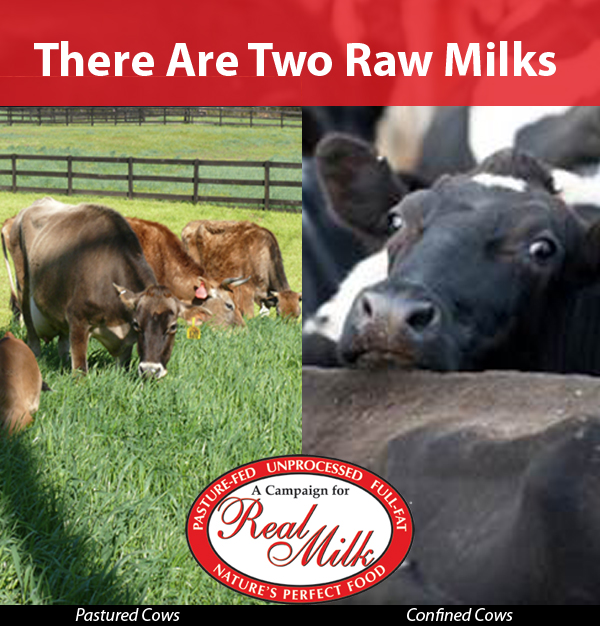
Safety-ThereAreTwo-600x626By Jim Roberts

Consumers are willing to pay for the other one. Departments of Health want to ban both.

  • For benefits of raw milk see www.realmilk.com.
  • For a response to the FDA/CDC Reminder on the Dangers of Drinking Raw Milk, see our press release: FDA and CDC Bias Against Raw Milk–No Facts Provided in Recent Reminder about Raw Milk Consumption
  • For a response to the ABC News Story, see: The Raw Milk Movement: Healthy or Hazardous?

Let's review the different conditions affecting raw milk quality.

CONDITIONS AFFECTING RAW MILK QUALITY

THE OTHER RAW MILK PRODUCED FOR DIRECT CONSUMPTION

RAW MILK PRODUCED FOR PASTEURIZATION

Diet Base (1)

Grass-based diet promotes alkaline conditions conducive to beneficial organisms

Grain-based diet promotes acid conditions conducive to pathogenic organisms

Living Environment (2)

Mostly on pasture
and natural grains

Mostly confined

Additional Intervention (3)

Rarely used

Bovine growth hormones
and antibiotics

Life Span (4)

12+ years

3.5 years

Nutritional Quality (5)

5 to 6 times more CLA

Higher vitamin content

Vitamin D from the sun

Minimal CLA

Farmer's family consumes the milk (6)

YES

NO

Consumer Willing to Pay a Premium Price

YES

NO

We need the liberty to be able to purchase the OTHER quality raw milk that has been produced with the goal of direct human consumption. And we agree with the health department experts on one point, we don't want the raw milk that requires pasteurization.

REFERENCES:

(1) Diet Base: "Ruminant animals have four stomachs and are evolutionarily adapted to eat pasture, browse and other plants. Today's dairy cows are nutritionally depleted and stressed by producing huge quantities of milk. To survive they need a lot to eat, so forage is supplemented with grains. When cows are fed grains, the rumen pH lowers, microbes change and the animal's health (also milk and meat) is adversely affected, and cows eating large amounts of grain can even die." (Raising Healthy Dairy Cows edited by Sandra Redemske. Raw Milk Resource Guide, 2003).

Though cows are naturally grass-feeding animals, 85-95% of dairy cows are raised in confinement on a diet of grain, particularly corn, because it is far more cost-efficient for agribusiness. Because this grain-based diet is highly abnormal and disruptive, it changes the pH in cows. This then sets up an environment and terrain in the cow for many abnormal physiological conditions that can increase the need for antibiotics. Further, to promote faster growth and more excessive milk production, many of these dairy cows are fed a variety growth hormones. All of this makes for the severely unhealthy dairy products that you'll find on virtually all grocery store shelves. (http://www.mercola.com/forms/cheese.htm)

"We have an industrial system of agriculture that puts our dairy cows inside on cement all their lives and gives them foods that cows are not designed to eat–grain, soy, citrus peel cake and bakery waste." (Dirty Secrets of the Food Processing Industry)

"Commercial grains (soy, corn, and cottonseed) fed to cows can contain genetically modified organisms (GMOs) and pesticide residues. Mycotoxins from mold in stored grains can pass into the milk and adversely affect the health of the cow. If organic farmers feed grains, they are certified organic, GMO-free and pesticide-free." (Raising Healthy Dairy Cows edited by Sandra Redemske. Raw Milk Resource Guide, 2003).

(2) Living Environment: "Permanent pastures managed intensively provide cows with a 'salad' of 20 to 30 or more different plant species. This biodiversity means that some plants will grow, even if the weather is hot, cold, wet, or dry. Access to hedgerow plants, and brushy/wooded areas add necessary nutritional variety to the cow's diet." (Raising Healthy Dairy Cows edited by Sandra Redemske. Raw Milk Resource Guide, 2003).

"In modern 'confinement dairies', food is brought to the cows that are confined in a building or outside paddock area. They do not graze in pastures eating fresh grass. (Raising Healthy Dairy Cows edited by Sandra Redemske. Raw Milk Resource Guide, 2003).

Any grain supplementation should be non-GMO (not genetically modified) and pesticide free.

(3) Additional Intervention: "Natural supplements can be used to meet the nutritional needs of the animal, such as kelp, salt, mineral salt and/or licks. Livestock diseases are prevented through adequate nutrition, proper sanitation, reduction of animal stress, access to pasture and holistic health care, parasite control by fecal exams, good pasture management, maintaining clean facilities and culling seriously infected animals. When necessary [for organic cows] use biological control methods such as herbs, diatomaceous earth and rock powders.

"Antibiotics and hormones are routinely given to confinement-fed cows to improve growth rates and counter illness caused by stress, inadequate nutrition, large concentrations of cows and inhumane conditions. This has contributed to the decreasing effectiveness of antibiotics as pathogens have become increasingly resistant to antibiotics." (Raising Healthy Dairy Cows edited by Sandra Redemske. Raw Milk Resource Guide, 2003).

(4) Life Span: "In the past, because the cows produced a moderate amount of milk and were allowed to go dry during the winter, they easily maintained excellent health and lived a long (12+ years), productive life."

Modern dairy farmers who want to produce high-quality milk vs. simply a high volume of milk care for their herds similarly.

"Today, most milk cows have been bred to produce three times as much milk as the old-fashioned cow. The more milk a cow produces, the more dilute is its vitamin content. Genetic selection in cows for increased milk production has caused the need for special feed, supplements, and an increasing number of vaccines and visits by the vet. The average life span of the modern factory cow is 3.5 years and her milk can contain high levels of pituitary growth hormone." (Raising Healthy Dairy Cows edited by Sandra Redemske. Raw Milk Resource Guide, 2003).

(5) Nutritional Quality: Conjugated Linoleic Acid (CLA)– Grass-fed dairy contains five times more CLA than grain-fed! CLA is among the most potent cancer fighters in all foods and offers other health benefits as well. (http://www.mercola.com/forms/cheese.htm)

Ruminants whose stomachs contain microorganisms, transform indigestible materials like cellulose into nutritious food. Forage is swallowed into the rumen for fermentation. The larger coarse forage is regurgitated, rechewed, and swallowed back into the rumen. Microorganisms in the rumen produce amino acids essential for making proteins, energy nutrients, vitamin K and B-complex vitamins." (Raising Healthy Dairy Cows edited by Sandra Redemske. Raw Milk Resource Guide, 2003).

Grass-fed dairy is higher in all the vitamins (it's four times higher in Vitamin E, for instance) in part because fresh pasture provides more of these nutrients than grains. Another reason is because cows on grass naturally produce considerably less milk than those fed grain. These yields of milk from grass-fed cows are part of the reason almost all agribusiness has shifted to grain feeding (greater yield = more money for them), but the dairy from grass-fed cows is a great blessing for you. (http://www.mercola.com/forms/cheese.htm)

"The fat-soluble vitamins (vitamin A, vitamin D and vitamin K), which occur in the fat of grass-fed animals, support endocrine function and protect against inflammation. Stress has also been cited as a cause of heart disease. Vitamin A is needed for the conversion of cholesterol into steroid hormones and, in fact, is rapidly depleted by stress. Vitamin D helps prevent high blood pressure and protects against spasms that can lead to a heart attack. As vitamin D is needed for calcium absorption, it contributes to a healthy nervous system and helps prevent arrhythmias." (Splendor from the Grass)

"… without the vitamins present in animal fats (vitamins A and D), you cannot assimilate minerals and other vitamins. You can be taking mineral supplements, drinking green juices or eating organic food until it comes out your ears, but you cannot absorb the minerals in your food without vitamins A and D that are exclusively found in the animal fats." (Dirty Secrets of the Food Processing Industry)

(6) Farmer's Family Consumes the Milk: The farmers know how their milk was developed. Some Grade A farmers do not allow their families to consume their milk for one reason or another. The raw milk you consider should be one that the farmer's family also consumes.

How Much Vitamin D In Raw Milk

Source: https://www.realmilk.com/there-are-two-raw-milks/

Share:

How Does Vitamin D Affect Mood

How Does Vitamin D Affect Mood

You already know that your body needs vitamin D to build strong and healthy bones—but that's not the only thing the sunshine vitamin has going for it. Vitamin D helps your body absorb calcium (another crucial bone-builder), plays a role in proper cell growth, and even reduces disease-causing inflammation, according to the National Institutes of Health (NIH).

And the truth is, many of us just simply don't get enough vitamin D. In fact, nearly 42 percent of American adults are deficient, according to a 2011 study published in the journal Nutrition Research. Globally, an estimated 1 billion people don't get adequate amounts of vitamin D.

That's because very few foods naturally contain the stuff. It's called the sunshine vitamin for a reason: a majority of the vitamin D your body produces stems from the sun's ultraviolet rays. That can be a problem if you're consistently wearing sunscreen to protect your skin from cancer or if you live in an area that doesn't get much light—say, the northern U.S. in the dead of winter.

This content is imported from {embed-name}. You may be able to find the same content in another format, or you may be able to find more information, at their web site.

Luckily, your skin still takes in some vitamin D even when you're wearing sunscreen (and certain foods contain more D than others, so it's not impossible to find in your diet). Neglecting your D intake does come with its own risks, like spiking your risk for high blood pressure and diabetes by two and a half times, says Michael Holick, MD, author of The Vitamin D Solution and professor of medicine, physiology and biophysics at Boston University Medical Center. Vitamin D deficiency can also increase your risk of depression, certain cancers, dementia, and several other health problems.

Think you might be dipping low in D? Here are the top five signs of vitamin D deficiency—and exactly how to make sure you get enough.

You're sweating more than usual

vitamin D deficiency symptoms sweating

Getty Images

It's often difficult to tell if newborns are deficient in D, but a sweaty forehead is one of the first noticeable symptoms, Dr. Holick says. The same rings true for adults, so if you're "glowing" while your activity level remains steady, your body temp is close to 98.6°, and your environment isn't too crazy hot, you may want to consider talking with your doctor about getting your vitamin D levels tested.

You're noticeably (and unexpectedly) weak

vitamin D deficiency symptoms muscle weakness

Getty Images

Being deficient in vitamin D can leave you feeling exhausted, even when you're able to get enough sleep. In fact, research finds that people who are deficient in D notice improvements in their fatigue after they get their levels back up.

What's more, muscle strength isn't just a matter of pumping iron. One study from the University of Tulsa found that athletes who had inadequate levels of vitamin D in their blood couldn't lift as much weight, run as fast, or jump as far or high, potentially because getting enough vitamin can lead to more powerful muscle contractions.

Harvard researchers have also linked vitamin D supplementation with increased muscle control, resulting in 20 percent fewer falls among adults around 60 years old.

You feel depressed

vitamin D deficiency symptoms depression

Getty Images

Many things can make you feel down, but more and more research is linking true depression with a shortage of vitamin D, especially when it comes to seasonal affective disorder, according to one international review of studies.

While scientists are still trying to figure out why the two are linked, the study authors explain that vitamin D may work in the same areas of the brain—and impact the same feel-good hormones, like serotonin and dopamine—as those that affect your mood.

You're battling random aches and pains

vitamin D deficiency symptoms aches and pains

Getty Images

"It's often subtle, but some experience aches and pains in the bones, known as osteomalacia," says Holick.

Those who are diagnosed with arthritis or fibromyalgia may actually be shy of enough D, as a deficiency can cause joints and muscles to ache. If your discomfort lasts for several weeks, ask your doctor if a vitamin D deficiency could be the cause and if your treatment program should include the vitamin.

You broke a bone

vitamin D deficiency symptoms broken bones

Getty Images

You stop building bone mass around age 30, and a lack of vitamin D can speed up or worsen osteoporosis, a condition in which your bones become fragile and more prone to fracture, according to research published in The American Journal of Clinical Nutrition.

Foods fortified with vitamin D almost eradicated rickets, a weak bone condition that stems from malnutrition. However, "it's nearly impossible for anyone to satisfy vitamin D needs through diet alone," says Dr. Holick.

How to get enough vitamin D

vitamin D foods

Getty Images

Because symptoms of vitamin D deficiency can be caused by several different health problems or conditions, it's important to have your blood tested first to make sure you're truly deficient.

You could easily get all the vitamin D you need through sun exposure, but the American Academy of Dermatology strongly affirms that wearing an SPF of 30 or higher is crucial if you want to prevent the development of various skin cancers. Remember, your skin likely still takes in a bit of vitamin D even when you're wearing SPF, says the NIH.

Your first step, then, is to load your diet with as much vitamin D as you can. Certain fish—like salmon, swordfish, sardines, and tuna—will be your best sources, but you can also find vitamin D in eggs, cheese, mushrooms, or fortified orange juice, milk, cereal, or yogurt.

Then, if you're still consistently experiencing several of the symptoms above, talk to your doctor. He or she can test your D levels and prescribe a supplement if necessary. Most adults need at least 600 international units (IUs) of vitamin D per day (800 IUs if you're over 70), according to the NIH. Many other organizations recommend a higher dose, though, so work with your doctor to find an amount that works best for you and your needs.

Additional reporting by Alisa Hrustic

Karla Walsh is a Des Moines, Iowa-based freelance writer and level one sommelier who balances her love of food and drink with her passion for fitness.

This content is created and maintained by a third party, and imported onto this page to help users provide their email addresses. You may be able to find more information about this and similar content at piano.io

How Does Vitamin D Affect Mood

Source: https://www.prevention.com/health/a20433909/symptoms-of-vitamin-d-deficiency/

Share:

Frutas O Vegetales Con Vitamina D

Frutas O Vegetales Con Vitamina D

La vitamina D es un nutriente que se encuentra en alimentos de origen vegetal y animal necesario para poder tener huesos fuertes, pues ayuda al cuerpo a absorber el calcio que se consume diariamente. Una deficiencia de vitamina D puede causar que los huesos sean más débiles, desarrollando raquitismo para los niños y osteomalacia en los adultos.

alimentos con vitamina D

La importancia nutricional de los alimentos con vitamina D es de notoriedad, especialmente en la edad infantil que es cuando el cuerpo tiende a utilizar estos minerales para un desarrollo físico correcto de los niños, y no solamente de los huesos; los músculos también lo necesitan, los nervios del cuerpo y el sistema inmune.

Alimentos con vitamina D, ¿cuánto es poco o demasiado?

La vitamina D tiene muchos beneficios para la salud, desde regular los niveles de calcio y fósforo, así como promover su absorción participando de esta forma en el desarrollo del esqueleto tras sus contribuciones a su formación, puede intervenir en el sistema inmune y puede ayudarnos en la etapa del envejecimiento.

La falta de este mineral provoca que los huesos sean cada vez más frágiles e incluso llegar a la fibromalgia, que es cuando el cuerpo comienza a sufrir dolor en los músculos y esqueleto.

La deficiencia en el consumo de los alimentos con vitamina D también causa una disminución de la función cognitiva y hace más propenso a padecer ciertos tipos de cáncer como el de mama, colon, próstata y ovarios.

alimentos con vitamina D

Pero ¿qué pasa si consumimos de más? un exceso de vitamina D también tiene consecuencias negativas para la salud, puede provocar que el organismo absorba calcio innecesariamente y formar depósitos en los tendones, corazón y pulmones.

También causa daño en los riñones como las famosas "piedras" o cálculos renales, está relacionado con la aparición de problemas como náuseas, vómito y estreñimiento, además de provocar inapetencia y pérdida de peso involuntaria.

Los mejores alimentos

Generalmente la vitamina D la produce el cuerpo cuando se expone directamente al sol, logrando reponer ciertas deficiencias con solo un poco de tiempo bronceado, lo que también mejora el estado de la piel.

alimentos con vitamina D

Pero en caso de no poder producirlo, también existen ciertos alimentos que naturalmente tienen vitamina D, estos son los mejores:

  • Los pescados como el atún, salmón y caballa están entre las mejores fuentes de vitamina D.
  • El hígado de res, el queso y las yemas de los huevos contienen pequeñas cantidades.
  • Los champiñones proporcionan algo de vitamina D.
  • Algunas leches fortificadas con este mineral.
  • Además de encontrarse en muchos cereales para el desayuno, bebidas con soya, yogur y margarina.

Te puede interesar: Alimentos con hierro: ¿cuáles son los mejores y para qué sirve?

Si lo que estás buscando es una forma de mejorar el rendimiento físico o bien tener huesos más fuertes lo más recomendable es ir con un especialista en nutrición que pueda ayudar a crear un plan nutrimental basado en tus objetivos y de esta manera no causar problemas de falta o exceso de vitamina D.

Frutas O Vegetales Con Vitamina D

Source: https://americanhealthandfitness.com.mx/alimentos-con-vitamina-d/

Share:

Diet Coke Vitamin D

Diet Coke Vitamin D

Welcome to the nutritional vitamin d content in 5 different types of coke, ranging from 0 IU to 0 IU per 100g. The basic type of coke is Carbonated beverage, cola, without caffeine, where the amount of vitamin d in 100g is 0 IU.

0 IU of vitamin d per 100g, from Carbonated beverage, cola, without caffeine corresponds to % of the vitamin d RDA. For a typical serving size of 1 fl oz (or 30.7 g) the amount of Vitamin D is 0 IU. This corresponds to an RDA percentage of %.

The percentage of the recommended daily allowance (RDA) for vitamin d is based on a 400 IU RDA level for a mature adult.

Top three coke products high in vitamin d

Below is a summary list for the top three coke items ranked by the amount or level of vitamin d in 100g.

1. Carbonated beverage, cola, without caffeine : 0IU
2. Carbonated beverage, cola, with higher caffeine : 0IU
3. Carbonated beverage, reduced sugar, cola, contains caffeine and sweeteners : 0IU

Following on from the three top coke items or products containing vitamin d we have a more comprehensive break down of Carbonated beverage, cola, without caffeine, and the highest item containing vitamin d which is Carbonated beverage, cola, without caffeine. We also give a comparison of average values, median values and lowest values along with a comparison with other food groups and assess the effects of storage and preparation on the 5 types of coke.

At the bottom of the page is the full list for the 5 different types of coke based on the content in different servings in grams and oz (and other serving sizes), providing a comprehensive analysis of the vitamin d content in coke.

Carbonated beverage, cola, without caffeine - Nutritional Content and Chart

The full nutrition content, RDA percentages and levels for Carbonated beverage, cola, without caffeine should be considered along with the vitamin d content. This food profile is part of our list of food and drinks under the general group Beverages.Other important and vitamin d related nutrients are Calories, Protein, Fat and Carbohydrate. For this 100g serving in your diet, the amount of Calories is 41 kcal (2% RDA), the amount of Protein is 0 g, the amount of Fat is 0 g and the amount of Carbohydrate is 10.58 g (8% RDA). The nutritional content and facts for 100g, which includes Calories, Protein, Fat and Carbohydrate is shown in the RDA chart below as percentages of the recommended daily allowance along with the vitamin d levels in coke.

vitamin d and nutrition facts in coke per 100g

Our proprietary nutritional density score gives a nutritional value out of 100 based on 9 different vitamins, minerals and macro nutrients. Carbonated beverage, cola, without caffeine has a nutritional value score of 13 out of 100.

Amount of vitamin d per 100 Calories

100 calories of carbonated beverage, cola, without caffeine is a serving size of 2.44 g, and the amount of Vitamin D is 0 IU. Other important and related nutrients and macronutrients such as Fat, in 100 Calories are as follows; Protein 0 g (0% RDA), Fat 0 g (0% RDA), Carbohydrate 25.8 g (19.51% RDA). This is shown in the vitamin d RDA percentage chart below, based on 100 Calories, along with the other important nutrients and macro nutrients. vitamin d and nutrition facts in coke per 100 calories

Content per Typical Serving Size 1 fl oz (or 30.7 g)

For the food Carbonated beverage, cola, without caffeine the typical serving size is 1 fl oz (or 30.7 g) which contains 0 IU of Vitamin D. In terms of the gram weight and total content for this serving the Calories content is 12.59 kcal, the Protein content is 0 g, the Fat content is 0 g and the Carbohydrate content is 3.25 g. The percentages are shown below in the vitamin d chart, for the typical serving of vitamin d and the related and important nutritional values.vitamin d and nutritional content in coke

Macronutrients in Carbonated beverage, cola, without caffeine

The amount of protein, fat and carbs from this food described above is measured in grams per 100g and grams in a typical serving size (in this case 1 fl oz or 30.7 g), although it is also useful to give the number of calories from protein, fat and carbohydrate which are the most important macronutrients. For this serving in your diet here are the macronutrient calories. From protein the number of calories is 0.0 (kcal).The number of calories from Fat is 0.0 (kcal).The total calories from carbohydrate is 12.6 (kcal).vitamin d, calories and nutritional content in coke

IU of vitamin d in coke (per 100g)

This list of 5 types of coke, is brought to you by www.dietandfitnesstoday.com and ranges from Carbonated beverage, cola, without caffeine through to Sports drink, COCA-COLA, POWERADE, lemon-lime flavored, ready-to-drink where all food items are ranked by the content or amount per 100g. The nutritional vitamin d content can be scaled by the amount in grams, oz or typical serving sizes. Simply click on a food item or beverage from the list at the bottom of the page to give a full dietary nutritional breakdown to answer the question how much vitamin d in coke.

The list below gives the total vitamin d content in the 5 items from the general description 'coke' each of which show the vitamin d amount as well as Calories, Protein, Fat and Carbohydrate. Below, is the top 5 food items shown in the vitamin d chart. This gives a quick and easy dietary comparison for the different items, where each item is listed at the bottom of the page with a nutritional summary.

coke vitamin d per 100g

The corresponding nutritional value for coke based on our density score out of 100 (ranked by the amount of vitamin d per 100g) is shown in the below nutritional density chart. coke vitamin d per 100g

The corresponding Calories for coke ranked by the amount of vitamin d per 100g is shown below in the coke calories chart. coke vitamin d per 100g

Average Content for coke

The average (or more correctly the arithmetic mean) amount of vitamin d contained in 100g of coke, based on the list below of 5 different items under the general description of coke, is 0.00 IU of vitamin d. The averages for the different nutrients are as follows; the average amount of Calories is 34.20 kcal, the average amount of Protein is 0.01 g, the average amount of Fat is 0.01 g and the average amount of Carbohydrate is g.

Median Amount

The median value of Vitamin D is found in Carbonated beverage, reduced sugar, cola, contains caffeine and sweeteners which in 100g contains 0 IU of Vitamin D. For this serving the amount of Calories is 20 kcal, the amount of Protein is 0 g, the amount of Fat is 0 g and the amount of Carbohydrate is 5.16 g.

Highest vitamin d Content per 100g

Using the list below for the 5 different coke nutrition entries in our database, the highest amount of vitamin d is found in Carbonated beverage, cola, without caffeine which contains 0 IU of vitamin d per 100g. The associated percentage of RDA is %. For this 100g serving the Calories content is 41 kcal, the Protein content is 0 g, the Fat content is 0 g, the Carbohydrate content is 10.58 g. chart to show highest vitamin d in coke per 100g

The lowest amount of vitamin d in 100g is in Sports drink, COCA-COLA, POWERADE, lemon-lime flavored, ready-to-drink which contains 0 IU. This gives as percentage of the recommended daily allowance % of the RDA. For this 100g serving the amount of Calories is 32 kcal, the amount of Protein is 0 g, the amount of Fat is 0.05 g, the amount of Carbohydrate is 7.84 g.

The difference between the highest and lowest values gives a vitamin d range of 0 IU per 100g. The range for the other nutrients are as follows; 9 kcal for Calories, 0 g for Protein, 0.05 g for Fat, 0 g for Carbohydrate.

Highest Amount of vitamin d per Serving

Please remember that the above gives an accurate value in 100g for high vitamin d foods in your diet. For example 100g of Carbonated beverage, cola, without caffeine contains 0 IU of vitamin d. However, there are other factors to consider when you are assessing your nutritional requirements. You should also take into account portion sizes when you are considering the vitamin d nutritional content.

The food with the highest vitamin d content per typical serving is Sports drink, COCA-COLA, POWERADE, lemon-lime flavored, ready-to-drink which contains 0 IU in 1 fl oz (or 30.5 g). For this serving the Calories content is 9.76 kcal, the Protein content is 0 g, the Fat content is 0.02 g and the Carbohydrate content is 2.39 g.

Nutritional Information Summary

From the list below you can find a full nutrition facts breakdown for all foods containing vitamin d which can be scaled for different servings and quantities. We have also sorted our complete nutritional information and vitamin database of over 7000 foods, to give a list of foods with vitamin d.

Coke List, vitamin d Content per 100g

1. Carbonated beverage, cola, without caffeine - Vitamin D
Nutritional Value : 13 / 100     food group - Beverages
  Vitamin D
(%RDA)
Calories
(%RDA)
Carbohydrate
(%RDA)
Fat
(%RDA)
Protein
(%RDA)
Profile for a 100g serving :
0 IU 41 kcal (2%) 10.58 g (8%) 0 g (0%) 0 g (0%)
Typical Serving size of 1 fl oz (or 30.7g):
   0 IU 12.59 kcal (1%) 3.25 g (3%) 0 g (0%) 0 g (0%)
Other serving sizes 1 can 12 fl oz (or 368g):
  0 IU 150.88 kcal (8%) 38.93 g (30%) 0 g (0%) 0 g (0%)
Other serving sizes 1 bottle 16 fl oz (or 491g):
  0 IU 201.31 kcal (10%) 51.95 g (40%) 0 g (0%) 0 g (0%)
2. Carbonated beverage, cola, with higher caffeine - Vitamin D
Nutritional Value : 13 / 100     food group - Beverages
  Vitamin D Calories Carbohydrate Fat Protein
Profile for a 100g serving :
0 IU 41 kcal (2%) 10.58 g (8%) 0 g (0%) 0 g (0%)
Typical Serving size of 1 fl oz (or 30.7g):
   0 IU 12.59 kcal (1%) 3.25 g (3%) 0 g (0%) 0 g (0%)
Other serving sizes 1 can 12 fl oz (or 368g):
  0 IU 150.88 kcal (8%) 38.93 g (30%) 0 g (0%) 0 g (0%)
Other serving sizes 1 bottle 16 fl oz (or 491g):
  0 IU 201.31 kcal (10%) 51.95 g (40%) 0 g (0%) 0 g (0%)
3. Carbonated beverage, reduced sugar, cola, contains caffeine and sweeteners - Vitamin D
Nutritional Value : 13 / 100     food group - Beverages
  Vitamin D Calories Carbohydrate Fat Protein
Profile for a 100g serving :
0 IU 20 kcal (1%) 5.16 g (4%) 0 g (0%) 0 g (0%)
Typical Serving size of 1 fl oz (or 29.6g):
   0 IU 5.92 kcal (0%) 1.53 g (1%) 0 g (0%) 0 g (0%)
Other serving sizes 1 can (8 fl oz) (or 355g):
  0 IU 71 kcal (4%) 18.32 g (14%) 0 g (0%) 0 g (0%)
4. Carbonated beverage, cola, contains caffeine - Vitamin D
Nutritional Value : 13 / 100     food group - Beverages
  Vitamin D Calories Carbohydrate Fat Protein
Profile for a 100g serving :
0 IU 37 kcal (2%) 9.56 g (7%) 0.02 g (0%) 0.07 g (0%)
Typical Serving size of 1 fl oz (or 30.7g):
   0 IU 11.36 kcal (1%) 2.93 g (2%) 0.01 g (0%) 0.02 g (0%)
Other serving sizes 1 can 12 fl oz (or 368g):
  0 IU 136.16 kcal (7%) 35.18 g (27%) 0.07 g (0%) 0.26 g (0%)
Other serving sizes 1 bottle 16 fl oz (or 491g):
  0 IU 181.67 kcal (9%) 46.94 g (36%) 0.1 g (0%) 0.34 g (1%)
Other serving sizes 1 cup child fast food, 12 fl oz capacity and weight of the drink only with no ice added (or 258g):
  0 IU 95.46 kcal (5%) 24.66 g (19%) 0.05 g (0%) 0.18 g (0%)
Other serving sizes 1 cup small fast food, 16 fl oz capacity and weight of the drink only with no ice added (or 347g):
  0 IU 128.39 kcal (6%) 33.17 g (26%) 0.07 g (0%) 0.24 g (0%)
Other serving sizes 1 cup medium fast food, 21 fl oz capacity and weight of the drink only with no ice added (or 486g):
  0 IU 179.82 kcal (9%) 46.46 g (36%) 0.1 g (0%) 0.34 g (1%)
Other serving sizes 1 cup large fast food, 32 fl oz capacity and weight of the drink only with no ice added (or 722g):
  0 IU 267.14 kcal (13%) 69.02 g (53%) 0.14 g (0%) 0.51 g (1%)
5. Sports drink, COCA-COLA, POWERADE, lemon-lime flavored, ready-to-drink - Vitamin D
Nutritional Value : 13 / 100     food group - Beverages
  Vitamin D Calories Carbohydrate Fat Protein
Profile for a 100g serving :
0 IU 32 kcal (2%) 7.84 g (6%) 0.05 g (0%) 0 g (0%)
Typical Serving size of 1 fl oz (or 30.5g):
   0 IU 9.76 kcal (0%) 2.39 g (2%) 0.02 g (0%) 0 g (0%)
Other serving sizes 8 fl oz (or 244g):
  0 IU 78.08 kcal (4%) 19.13 g (15%) 0.12 g (0%) 0 g (0%)

vitamin d and Nutritional Values - Top 221 Foods

Vegetables

leeks, turnip greens, swiss chard, mustard greens, yams, fennel, artichokes, broccoli, cauliflower, kale, green beans, brussel sprouts, cabbage, sweet potato, a potato, carrots, lettuce, iceberg lettuce, spinach, shiitake mushrooms, celery, salad, mushrooms, potatoes, baked potato, onions, asparagus, pumpkin, radishes, taro, turnips, okra, rhubarb, sweet corn, cowpeas, seaweed, broadbeans

Fruits

a banana, an apple, an orange, a peach, apricots, butternut squash, lemon, grapes, watermelon, strawberries, green grapes, kiwi, blueberries, zucchini, figs, honeydew, eggplant, dates, olives, a pear, coconut, cranberries, pomegranate, a mango, pineapple, cherries, cantaloupe, grapefruit, tangerine, nectarines, raisins, plums, tomatoes, chili peppers, chilis, peppers, avocado, cucumber, summer squash, winter squash, papaya, prunes, fruit salad, persimmons

Seafood

salmon, cod, sardines, shrimp, tuna, fish, tuna salad, halibut, sea bass, scallops, crab, lobster, oysters, herring, haddock, halibut, mackerel, pike, pollock, trout

Drinks

coffee, apple juice, cranberry juice, red wine, skim milk, white wine, wine, milk, beer, alcohol, coke, soy milk, whole milk, prune juice, tea, a shake, coconut milk, orange juice, energy drinks, soft drinks, grapefruit juice, lemon juice, lemonade

Nuts and Seeds

chia seeds, sunflower seeds, pecans, pumpkin seeds, hazelnuts, nuts, almonds, sesame seeds, walnuts, cashews, peanuts, chestnuts, coconut meat, ginkgo nuts, mixed nuts, macadamia nuts

Beans and Lentils

soybeans, pinto beans, kidney beans, lentils, black beans, lima beans, navy beans, beets, beans, garbanzo beans, baked beans

Meat

beef, steak, deer, bacon, chicken, fried chicken, turkey, turkey breast, chicken breast, meatloaf, ham, lamb, sausages, chicken light meat, chicken dark meat, chicken leg, fried chicken, roasted chicken, chicken thigh, chicken wings, duck, goose, pheasant, quail, pigeon, turkey light meat, turkey dark meat, turkey breast, turkey leg, turkey wing, emu, ostrich, frankfurter, pate, pork sausage, salami, bratwurst, pork loin, ground pork, lamb shank, veal, bison, beef liver, beef ribs

Fast Foods

french fries, pizza, a slice of pizza, hot dog, hamburger, a cheeseburger, a big mac

Dairy and Cheese

ricotta, yogurt, cottage cheese, an egg, egg whites, goats cheese, cheddar, cheddar cheese, cheese, hard boiled egg, feta cheese, mozzarella, low fat yogurt

Bread, Rice, Grains and Pasta

rye, millet, flaxseed, barley, buckwheat, whole wheat bread, a bagel, white bread, bread, quinoa, corn, spaghetti, rice, pasta, brown rice, white rice, cooked egg, mexican cheese, fruit yogurt

Spreads, Sauces and Herbs

hummus, mayonnaise, butter, peanut butter, soy sauce, thyme, basil, rosemary, pepper, coriander, dill, parsley, spices, chili sauce

Sweets, Desserts and Snacks

popcorn, chips, nachos, a granola bar, saltine crackers, cheesecake, jello, ice cream, doughnuts, chocolate, puddings, frozen yogurt, a snickers bar, croissants, danish pastry, english muffins, blueberry muffins, pie, pop tarts, coffeecake, crackers, potato chips, rice cakes, tortilla chips, fudge, puddings, syrups, dark chocolate, sundae, pretzels, pop tarts

Breakfast Cereal

granola, cheerios, oatmeal, kelloggs cereals, general mills cereals

Miscellaneous

spirulina, honey, sugar, brown sugar, tofu, olive oil, garlic, tempeh, oats, salad dressing, tomato soup, mushroom soup, chicken soup, vegetable soup, infant formula, cooking oil, shortening, fish oil, soybean oil, soy protein, gravy, raisins, currants, balsam pear, succotash, macaroni, egg noodles, japanese noodles, macaroni and cheese, burrito

Diet Coke Vitamin D

Source: http://www.dietandfitnesstoday.com/vitamin-d-in-coke.php

Share:
banner